


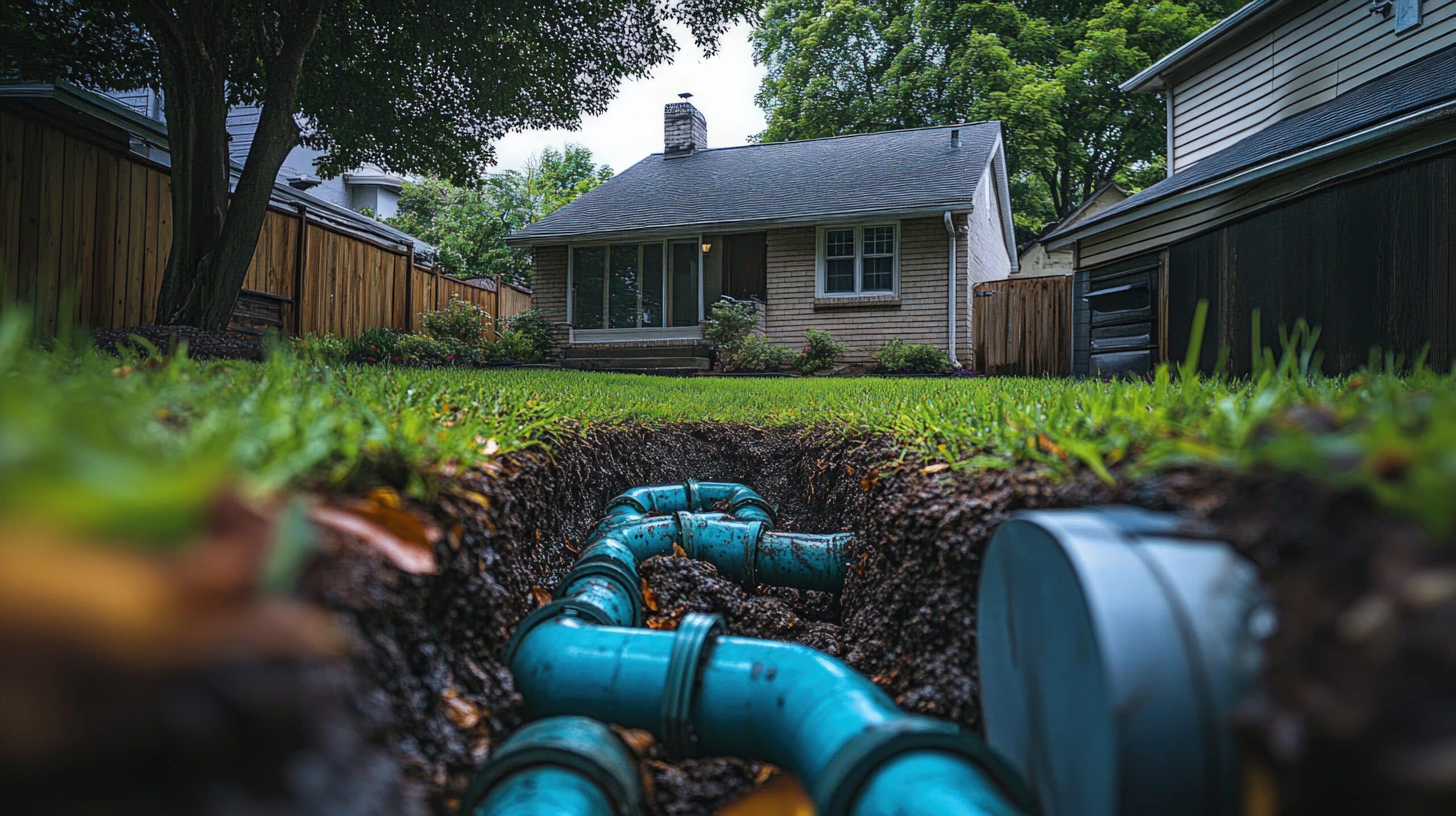
The first sign that ultimately called for whole house repiping for one Fort Worth homeowner was a stain the color of weak coffee, blooming on the ceiling of their guest bathroom. They painted over it. Six weeks later it came back, bigger. By the time they called us, three separate pinhole leaks had opened up inside the walls, the plumbing equivalent of a slow leak in a tire you keep airing up instead of replacing.
Here’s the thing most people miss: pipes rarely fail all at once. They warn you first. A little pressure drop here, a rusty tint there, a repair that seems to invite the next one. Learn to read those signs and you get to fix the problem on your schedule, not at 2 a.m. with water pooling around your baseboards.
A whole house repipe replaces the aging supply lines running through your home before they turn into an emergency. Below are the warning signs that point to it, and why repiping is often the smarter, less expensive move in the long run.
The Warning Signs Your Home Is Telling You
Individually, any one of these can have a simple explanation. Together, they usually point to piping that’s reached the end of its service life.
1. Low or Inconsistent Water Pressure
If your shower has lost its punch or two fixtures can’t run at once without a trickle, mineral buildup and corrosion inside the pipes may be choking the flow. When pressure drops across the whole house, not just one faucet, the pipes themselves are often the culprit.
2. Discolored Water
Brown, yellow, or reddish water is a red flag, especially first thing in the morning after water has been sitting in the lines overnight. That tint is usually rust and sediment shedding from the inside of corroding metal pipe. Occasional discoloration after city work is normal; persistent discoloration is not.
3. Frequent Pinhole Leaks
One leak is a repair. A second leak a few months later, then a third, is a pattern. Pinhole leaks mean corrosion has thinned the pipe walls throughout the system, and patching one spot simply moves the pressure to the next weak point. This is the single clearest signal that spot fixes have run their course. At Service Squad Plumbing we do Leak Detection Services.
4. The Age and Material of Your Pipes
Sometimes the calendar tells the story before the symptoms do. Certain pipe materials have a known shelf life:
| Pipe Material | Common Era | Why It’s a Concern |
|---|---|---|
| Galvanized steel | Pre-1970s homes | Rusts from the inside out, restricting flow and discoloring water |
| Polybutylene (Quest / “Big Blue”) | 1978–1995 | Prone to sudden, unpredictable failure; widely considered unreliable |
| Older copper | Varies | Can develop pinhole leaks over decades, especially with hard water |
If your home was built before the mid-1990s and still has its original supply lines, you’re likely living on borrowed time, even if nothing has failed yet.
5. Other Everyday Clues
- Water that suddenly runs hot or cold when someone flushes or starts an appliance
- A metallic taste or smell to your tap water
- Visible corrosion, flaking, or dimpling on exposed pipes (check under sinks and in the garage)
- Repair bills that keep creeping up year over year
Why a Whole House Repiping Beats Endless Patch Jobs
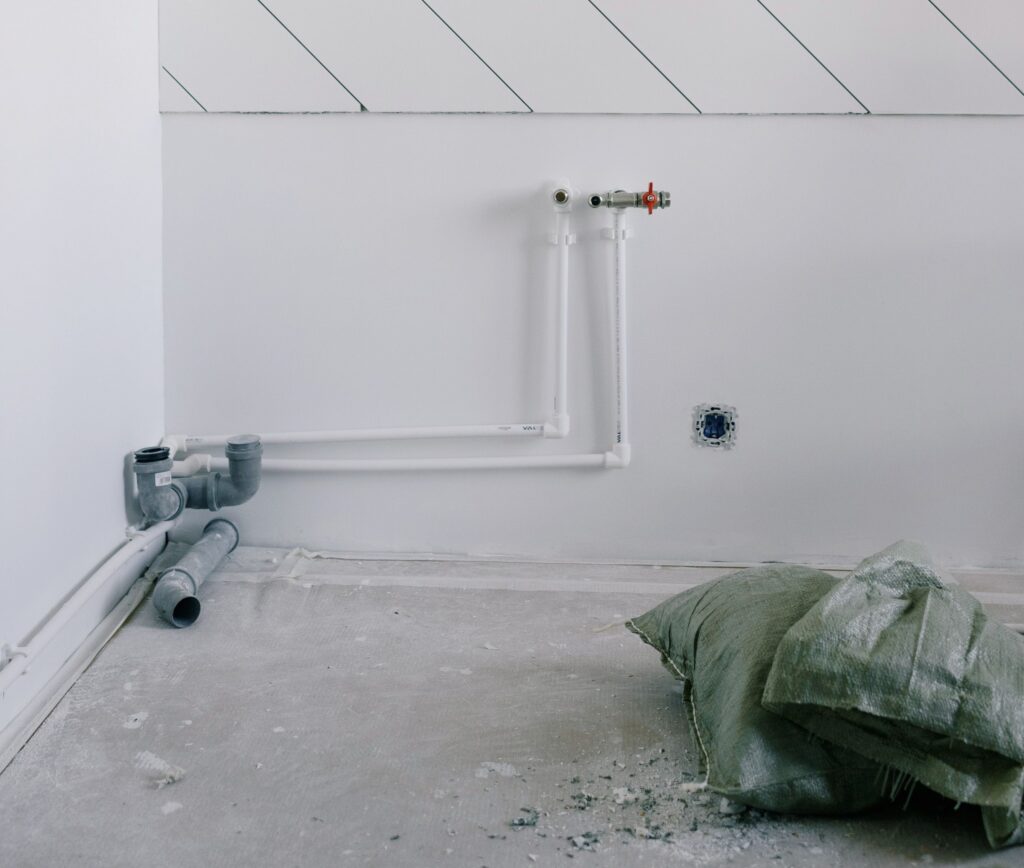
It’s tempting to treat each leak as a one-off. But every patch on an aging system is money spent on a problem that’s going to resurface somewhere else. A whole home repipe resets the clock: new lines, restored pressure, clean water, and no more wondering which wall is next.
Think of it as proactive rather than reactive. Homeowners who plan a house repiping get to choose the timing, avoid water damage to floors and drywall, and often add value and peace of mind to the home. Homeowners who wait usually pay twice, once for the emergency, and again for the repair. IMAGE
What Affects the Cost to Repipe a House
Every home is different, so the cost to repipe depends on a handful of practical factors rather than a one-size-fits-all number:
- Size of the home and number of bathrooms
- Number of stories and how accessible the pipes are
- Pipe material chosen for the replacement
- How the existing plumbing was routed
- Any wall or ceiling access work involved
The best way to understand your repipe house cost is a walkthrough of your actual home. We’ll assess your system and give you a clear, written estimate before any work begins, no guesswork, no surprises.
Serving Fort Worth Homeowners
Service Squad Plumbing helps Fort Worth homeowners stay ahead of aging pipes with expert whole house repiping. If you’ve noticed any of the signs above, don’t wait for the ceiling stain to come back bigger.
Call us at (817) 350-4285 to schedule an assessment, and let’s get your home’s plumbing back to solid ground.
FAQ
Is it worth it to repipe a house?
For homes with aging or failure-prone pipes, yes. Repiping ends the cycle of recurring leaks, restores water pressure and quality, and protects your home from costly water damage. It’s usually far cheaper than repairing the fallout from a major pipe failure.
How much does it cost to replumb a 2000 square foot house?
Replumbing house cost varies with layout, pipe material, number of bathrooms, and access. A 2,000-square-foot home falls in a typical mid-size range, but the only accurate figure comes from an in-home assessment. Contact us for a written estimate tailored to your property.
What is the alternative to repiping a house?
The main alternative is spot repairs, patching leaks as they appear. This works short-term but grows costlier over time on a corroded system. Some situations allow partial repiping, replacing only the most affected lines rather than the whole house.
Can you repipe a house without removing drywall?
In many cases, yes. Skilled plumbers can often route new lines through existing access points with minimal wall openings, then patch only where needed. The amount of drywall work depends on your home’s layout and where the pipes run.