


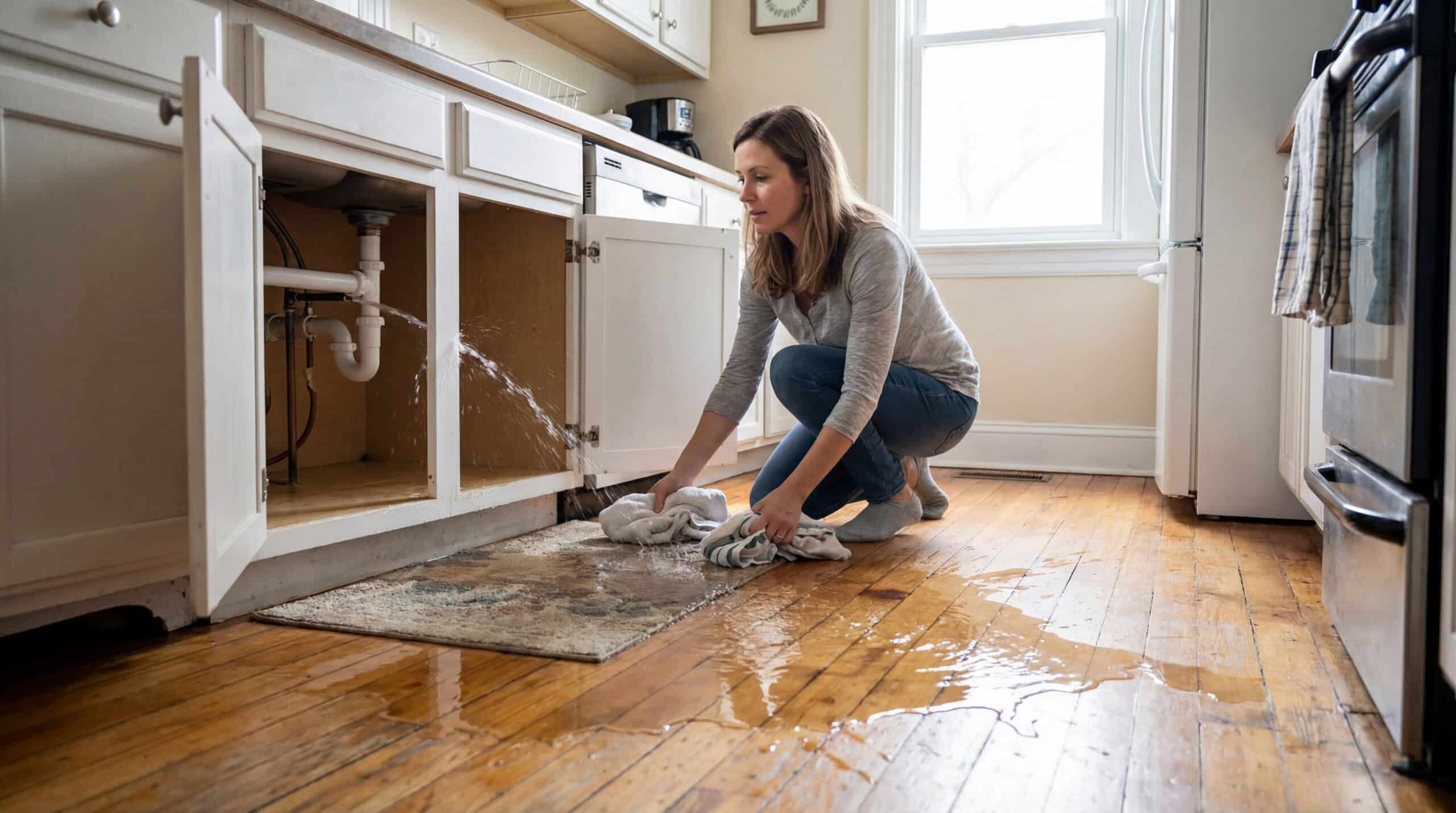
When you need an emergency plumber, every minute counts. A pipe bursts, water spreads across the floor, and what you do in the next few minutes will determine how much damage your home takes and how much the repairs end up costing you.
Knowing how to respond fast, and who to call for emergency plumbing services, can save you thousands of dollars and days of headache.
What Counts as a Plumbing Emergency?
Not every drip warrants a same-day call. But some problems simply can’t wait. These are the situations that qualify as true plumbing emergencies:
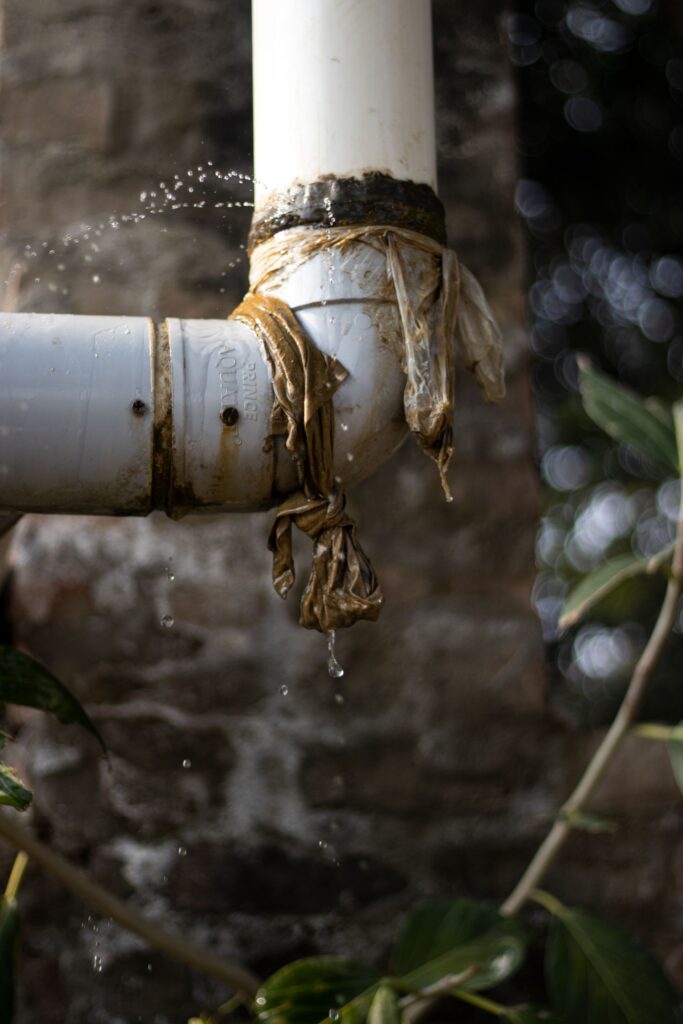
Burst pipes
A burst pipe can release dozens of gallons of water per minute into your walls, floors, and foundation. This is the most urgent situation a homeowner can face. Burst pipe repair needs to happen immediately, every minute of delay increases the risk of structural damage, mold, and expensive restoration work.
Severe or unexplained leaks
A leak behind a wall, under a slab, or beneath a fixture that you can hear but not locate is a serious problem. Hidden leaks are among the most damaging because they go undetected and silently destroy materials for days or weeks.
Sewage backup
If wastewater is coming up through a drain or toilet, your sewer line is blocked or compromised. This creates an immediate health hazard and needs professional attention right away.
Complete loss of water
No water to the house, not just a single fixture, points to a main line failure or a broken shut-off. If neighbors have water and you don’t, you likely need an emergency plumber near you fast.
Gas-adjacent plumbing failures
In some cases, a plumbing failure near a gas line introduces risk beyond water damage alone. If you smell gas at any point, leave the house and call your gas provider before anything else.
The Smarter Way to Avoid the Next Emergency
Most plumbing emergencies don’t come out of nowhere, they build quietly over time through aging pipes, slow leaks, and pressure issues that never got caught. Regular maintenance stops them before they become a crisis.
The Service Squad Membership gives Fort Worth homeowners an annual plumbing inspection, front-of-the-line priority service when something goes wrong, and discounted diagnostics, all for $9.95 a month.
Less than a coffee. Less than one repeat service call. See what’s included in our membership.
The First 15 Minutes: What to Do Before the Plumber Arrives
The time between a plumbing emergency starting and a plumber arriving on-site is the window that matters most for water damage prevention. Here’s how to use it.
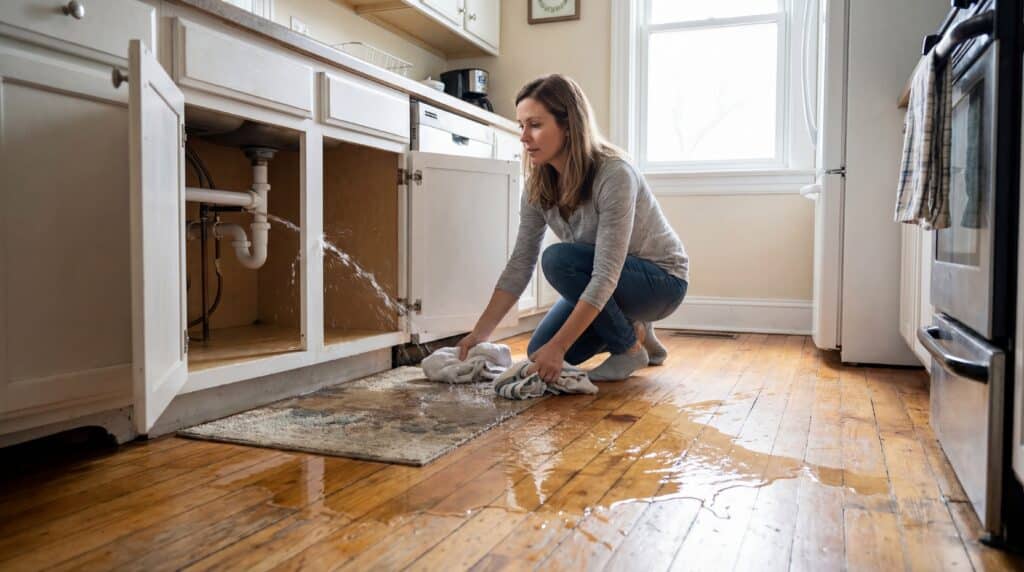
- Shut off the water supply immediately. Every adult in your household should know where the main shut-off valve is before an emergency happens. It’s usually located near the water meter, in the garage, or along the front exterior wall of the home. Turn it clockwise until it stops. If the problem is isolated to one fixture, the shut-off valve behind or beneath that fixture may be enough.
- Turn off your water heater. Once the main supply is off, shut off your water heater, gas or electric. Running a water heater with no water in it can damage the unit or create a dangerous pressure buildup.
- Open cold-water faucets to drain remaining pressure. Open faucets at the lowest points of your home to help drain any water still sitting in the pipes. This relieves pressure and reduces the amount of water that continues to flow through a break.
- Move valuables and document everything. If water is spreading across floors, move furniture, electronics, and important documents out of the path. Take photos and video of all visible damage as you go, you’ll need this for your insurance claim.
- Don’t use electrical switches or outlets near standing water. Water and electricity are a serious combination. Stay away from outlets, switches, and appliances in any area with standing water until a professional has cleared the space.
- Call a local plumber near you. Once the immediate situation is under control, make the call. Give the dispatcher as much detail as you can: the type of problem, where it’s located in the home, whether you’ve shut off the water, and whether there are any safety concerns on-site. If you’re in Fort Worth or the surrounding area, Service Squad Plumbing dispatches technicians directly to your location for same-day emergency plumbing service.
Why Response Time Matters for Water Damage
Plumbing repair cost in Texas varies widely depending on the source and severity of the problem, but one variable affects the final number more than any other: how long the water ran before it was stopped.
Here’s the reality of what happens as time passes:
- Within the first hour, water soaks into drywall, wood framing, flooring, and insulation. Repairs are possible but the scope is growing.
- After 24 hours, mold can begin to develop in wet materials, especially in the North Texas humidity. At this point, you’re no longer looking at just plumbing repair. You’re looking at remediation.
- After 48 to 72 hours, structural materials start to warp and deteriorate. What started as a burst pipe repair can turn into a flooring replacement, drywall tearout, and mold treatment project that costs many times the original plumbing repair alone.
This is why calling for emergency plumbing service quickly, not tomorrow, not after the weekend, is one of the most financially sound decisions a Fort Worth homeowner can make in a crisis. A fast response keeps a plumbing repair from becoming a full renovation.
Don’t Wait – Call Service Squad Plumbing Today
A plumbing emergency doesn’t improve with time. The longer water runs unchecked, the more damage it does to your home and the higher your repair costs climb.
Service Squad Plumbing is available every day from 8 AM to 5 PM to respond to plumbing emergencies throughout Fort Worth and the surrounding area.
Call us now for same-day emergency plumbing service. Fast response. Honest pricing. Local plumbers who know Fort Worth homes. Book a Free Estimate!
FAQ
How much does an emergency plumber usually cost?
Emergency plumbing repair costs in Texas depend on the type of problem, how long it went unaddressed, and the extent of any secondary water damage. Getting a plumber on-site quickly usually keeps the total cost lower by limiting how far the damage spreads.
What to do if you have a plumbing emergency?
Shut off the main water supply immediately, then turn off your water heater. Open low-point faucets to relieve pressure, move valuables away from standing water, and document the damage with photos. Then call a local emergency plumber to get a technician on the way.
What are 5 examples of a plumbing emergency?
A burst pipe, a sewage backup through drains or toilets, a major leak inside a wall or under a slab, complete loss of water to the home, and a failed water heater flooding the surrounding area all qualify as plumbing emergencies that need same-day attention.
What classifies as a plumbing emergency?
Any plumbing problem that poses an immediate risk to your home’s structure, your water supply, or your family’s health is an emergency. That includes active flooding, sewage exposure, hidden leaks causing ongoing damage, and situations where water cannot be shut off at the source.
What is the most common plumbing repair?
Drain clogs are the most common plumbing repair homeowners face, followed closely by leaky faucets, running toilets, and worn shut-off valves. In Fort Worth, slab leaks are also especially common due to the seasonal movement of expansive clay soil beneath the foundation.