
Water Heater Maintenance in Fort Worth, TX
Water Heater Maintenance
$79 Diagnostic
Same-Day Appointments May Be Available When You Call Before Noon
White Flakes in Your Aerators? Check the Water Heater
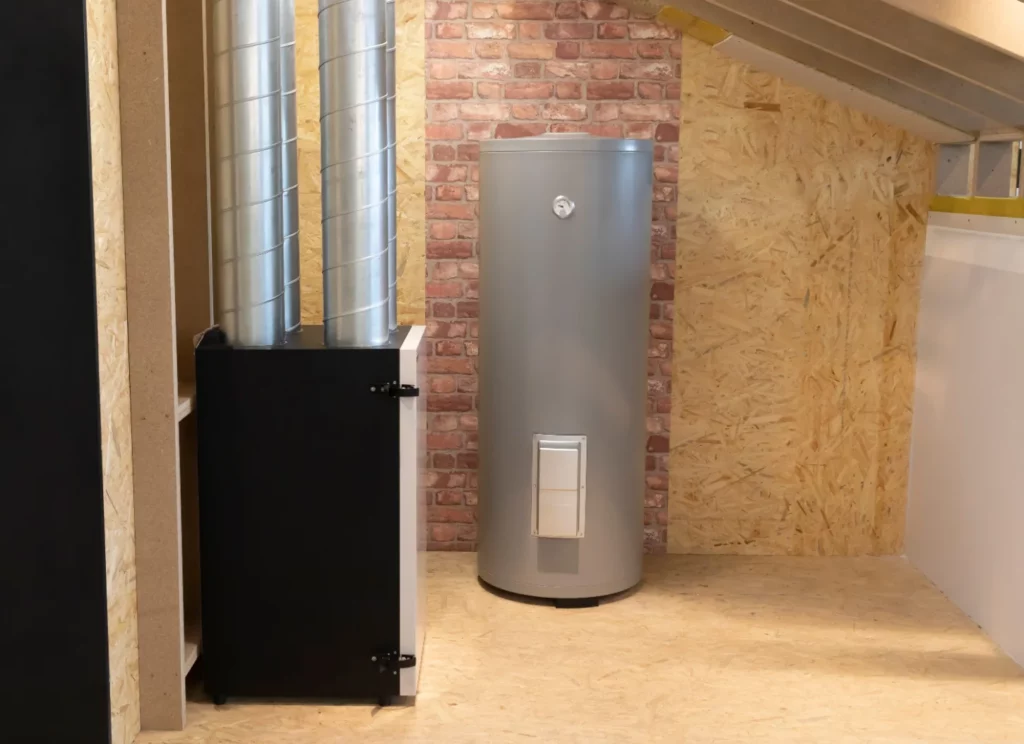
White flakes in your aerators can come from sediment in the water heater, where North Texas hard water leaves minerals. A Service Squad plumber flushes that sediment out, then typically tests the relief valve and checks the anode rod. Bits of a worn dip tube can look similar, and draining the tank shows the difference. Call (817) 518-3309 to book a flush and heater check.
What to Expect From Your Water Heater Maintenance Visit
- Your plumber typically looks over the tank and its connections for leaks and rust.
- You get the price for the flush before the tank is drained.
- After shutting off the power or gas, the plumber drains the tank and flushes the sediment with fresh water.
- We test the relief valve and check the anode rod where possible, pricing any worn part before it’s replaced.
- Once the tank refills, the power or gas goes back on, and your plumber checks for leaks as it heats.
Service Squad Plumbing: Your Local Water Heater Maintenance Team in Fort Worth
A maintenance visit is a good time to catch a water heater problem while it’s still small. If your plumber finds a worn anode rod or a dripping relief valve, you’ll see it and get the repair price. On an older tank, you’ll also see what a replacement would cost. Nothing gets replaced until you decide.

Water Heater Maintenance FAQs
- How often should a water heater be flushed in Fort Worth? Most tank water heaters need a flush once a year. North Texas hard water leaves sediment in the tank steadily, and a yearly flush helps clear it before it packs down.
- What temperature should my water heater be set to? Most households do well at about 120°F. To check, run the hot tap farthest from the heater for a minute and hold a kitchen thermometer in the stream.
- What does the anode rod in a water heater do? The anode rod protects the steel tank from rust. It corrodes in place of the tank, and once it’s used up, the tank itself can start to corrode.
- Does a newer water heater need maintenance? Usually, yes. Sediment starts settling as soon as the tank fills. Clearing it early at a maintenance visit is easier than flushing out years of buildup.
- Is a popping water heater dangerous? Usually, no, but it’s a sign the tank needs a flush. The popping comes from water trapped under sediment boiling as the bottom heats. That buildup can make the heater work harder and shorten its life.

Hot Water Services We Provide
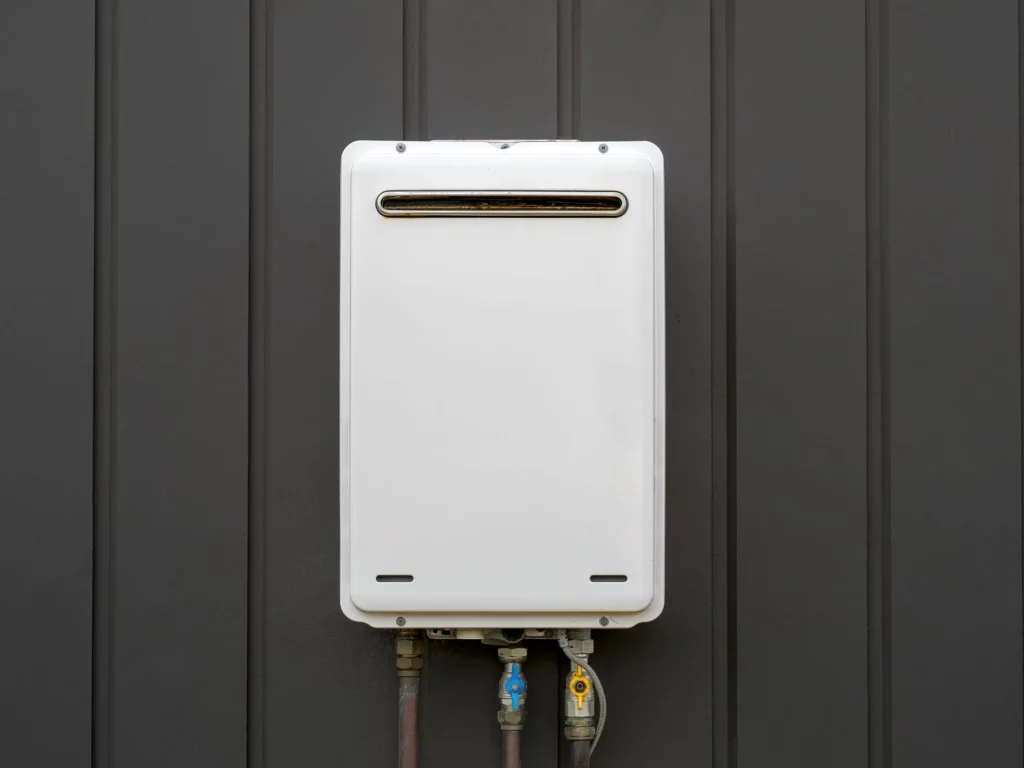
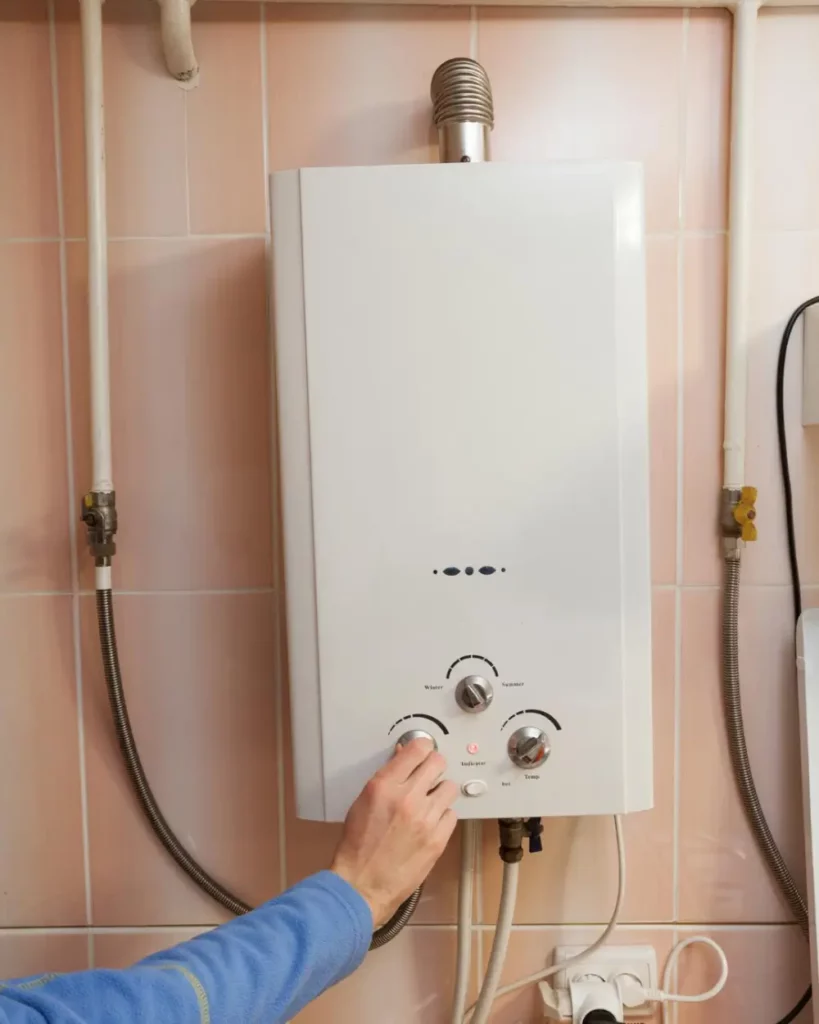
Sometimes routine care isn’t enough to fix a hot water problem. If your tank isn’t working right, our water heater repair team can find and replace the failed part. If you have an on-demand system, a tankless tune-up flushes out mineral buildup. To cut down on scale before it reaches your plumbing, ask about a whole-home water conditioner. Call (817) 518-3309 today to schedule your maintenance visit.

Signs Your Water Heater Is Due for Maintenance
- You hear crackling or popping as the tank heats.
- White flakes collect in your faucet aerators.
- Showers lose heat sooner than they did a year ago.
- A slow drip shows at the end of the relief valve pipe.
- Hot water has a rusty tint or a sulfur smell.
How Much Does Water Heater Maintenance Cost in Fort Worth?
Water heater maintenance in Fort Worth typically costs $100 to $300 at Service Squad. How long the tank has gone without a flush sets most of that spread. Sediment left for years can pack down and take repeated flushing to clear. That extra work moves the visit toward the higher end.
A maintenance visit starts with our $79 diagnostic, and you’ll get a clear price before work begins. Our Plumbing Inspection & Maintenance plan includes an inspection and flush for a tank water heater. Membership runs $120 a year or $9.95 a month.
What Wears Out a Water Heater in Fort Worth?
A water heater can run for years without a flush before anything seems wrong. Meanwhile, North Texas hard water keeps adding sediment, the anode rod keeps corroding, and the relief valve sits untested. The first sign is often a pop or a drip.
Hardened Tank Sediment
Hard-water sediment can harden into a crust when a tank goes years without a flush. Water trapped under it pops as the heater runs. Your plumber flushes the tank and repeats the flush if the first pass leaves sediment behind.
Spent Anode Rods
An anode rod corrodes so the steel tank doesn’t, and after years of use it can wear down to bare wire. Once it’s gone, rusty hot water may follow. We pull the rod to measure what’s left and replace it as needed.
Stuck Relief Valves
Mineral buildup can keep a relief valve that hasn’t moved in years from seating properly. You may see water dripping from its discharge pipe. Lifting the valve’s lever shows whether it opens and reseats, and the plumber replaces it if it doesn’t.
Schedule Your Water Heater Maintenance in Fort Worth Today
A flush usually costs far less than replacing a tank that sediment has worn out. Senior and military discounts of up to 10% are available, but they can’t be combined with other offers. Call (817) 518-3309 to schedule water heater maintenance in Fort Worth. We’ll flush the tank and show you what we found.

One Squad. Every Plumbing Problem.
Repairs, drains, water heaters and sewers, handled by our Fort Worth crew.